The change usually happens gradually, as the exterior begins to look slightly dull after rain or a long stretch of dry weather, and darker areas slowly appear near the lower sections of the walls, around gutters, or along surfaces that receive less sunlight during the day. Dust settles into the texture of the facade, moisture leaves behind uneven marks, and the property starts to lose the cleaner, brighter appearance it once had.
Exterior surfaces are constantly exposed to conditions that accelerate this process. Traffic residue, humidity, seasonal debris, and shifting weather patterns collect on walls, siding, stone, and exterior trim throughout the year, which means even well-maintained homes can begin to look heavier and more weathered. The effect reaches beyond appearance alone, because environmental buildup gradually changes the way exterior materials age and respond to moisture. Brick can absorb dirt and water more deeply, painted surfaces may begin to look worn earlier, siding can lose the sharp, clean finish that helps the entire property feel cared for and visually balanced.
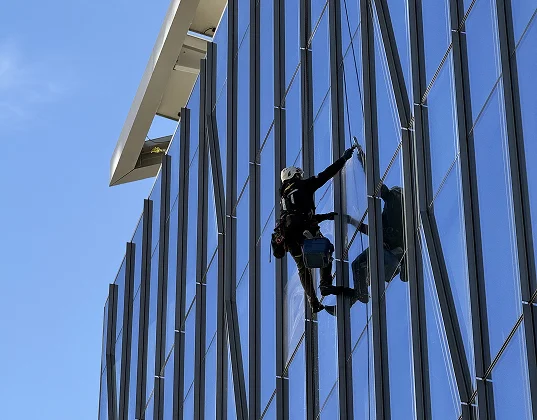
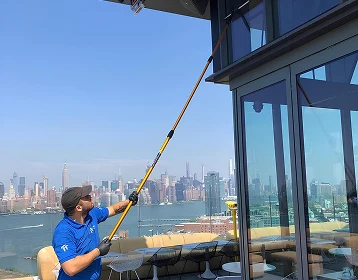
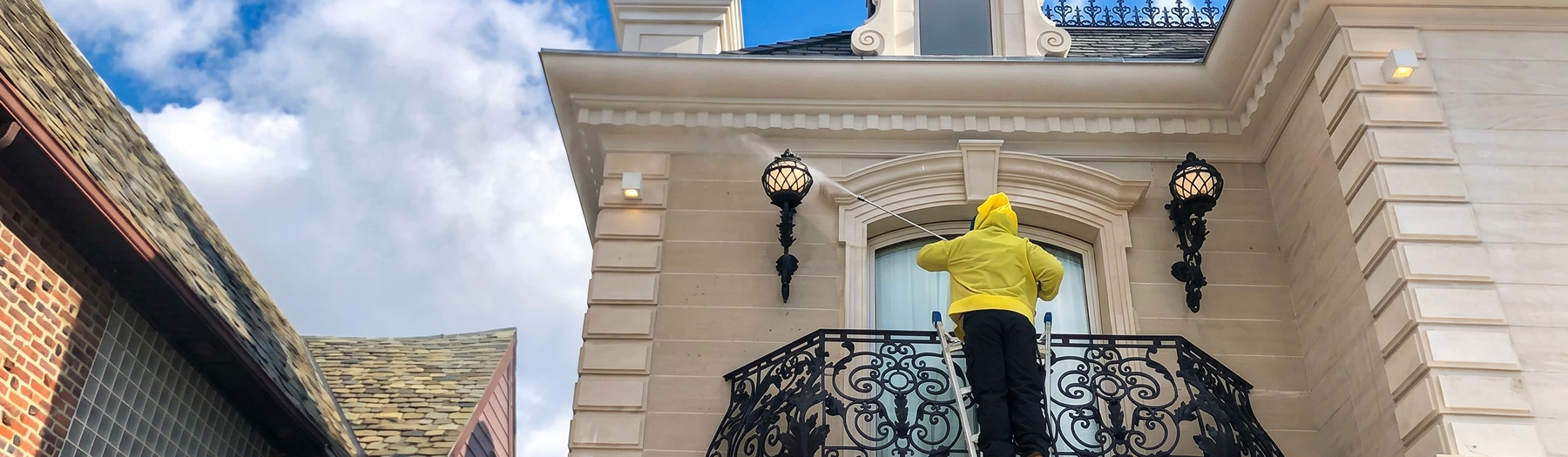
This is where services like pressure washing service and residential window cleaning become part of long-term property maintenance. Clean windows help restore brightness and visibility throughout the home, while exterior washing removes layers of buildup that slowly settle across walls, entryways, walkways, stone surfaces, and siding.
What settles onto a house in New York City
After a while the buildup on exterior surfaces stops looking random and starts reflecting the environment around the property itself. Homes in NYC are exposed to a constant mix of urban conditions that gradually collect on siding, brick, stone, trim, and outdoor surfaces, which is one reason facades here often lose their clean appearance faster than people expect.
One of the biggest factors is pollution, especially in areas with dense traffic and constant city activity. Fine particles from exhaust, construction work, and general air pollution settle onto exterior materials every day and create a dull layer that can make lighter surfaces look darker and textured surfaces look uneven. Another major contributor is moisture, which tends to linger longer in shaded areas, near gutters, around foundation lines, and along sections of the home that receive less airflow. When moisture repeatedly settles into the same areas, surfaces can begin to stain or discolor, especially on porous materials like brick and stone.
The city’s changing weather patterns also leave behind seasonal residue that builds throughout the year. Winter can leave salt and grime on lower exterior sections, spring often brings pollen and organic debris, and humid summer conditions create an environment where buildup sticks more easily to outdoor surfaces. By fall, leaves, dirt, and moisture begin collecting in corners and along architectural details where airflow is limited.
Traffic dust becomes part of the exterior environment as well for many NYC homes. Properties located near busy streets, intersections, commercial corridors are exposed to a nearly constant movement of airborne debris that settles onto windows, siding, fences, entryways, and outdoor stonework. Even when the buildup appears light at first, it tends to accumulate steadily across the entire property.
In areas where moisture remains trapped for longer periods, algae and mildew can begin developing on the surface itself. This often appears as darker streaks, green patches, or uneven discoloration that spreads across siding, masonry, steps, and shaded exterior walls. These organic growth patterns are especially common on surfaces that stay damp after rain or receive limited direct sunlight during the day.
The wrong cleaning method can change the surface itself
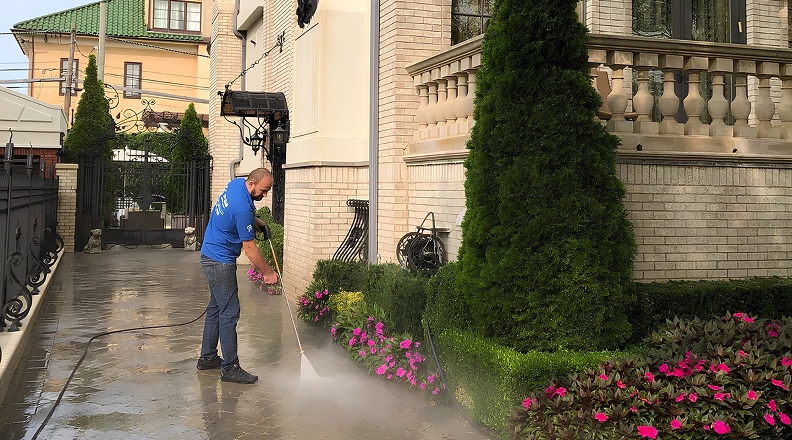
Choosing the correct approach is essential, because exterior materials react differently to water pressure, surface friction, and moisture exposure. A method that works well for concrete can damage painted siding, while a process designed for delicate materials may not be strong enough for heavily stained stone or masonry. Pressure washing relies on stronger water force to remove buildup from durable surfaces that can safely handle higher impact cleaning.
- High pressure helps break down heavy buildup
This method is effective for removing compacted dirt, grime, surface residue, and weather staining that has settled deeply into harder exterior materials.
- Concrete and stone surfaces respond well to stronger cleaning power
Driveways, sidewalks, retaining walls, patios, and certain masonry surfaces are commonly cleaned with pressure washing, because these materials can tolerate higher water pressure without losing their structure.
- Exterior hardscapes often collect the heaviest buildup
Outdoor surfaces closer to the ground usually absorb more traffic residue, moisture, and environmental staining, which makes stronger cleaning methods practical in those areas.
- Incorrect pressure levels can still cause damage
Even durable materials can become damaged if the pressure is too aggressive or directed improperly. Surface erosion, chipped mortar, etched concrete, and water intrusion can all develop when the equipment is used without proper adjustment.
Soft washing uses lower water pressure combined with specialized cleaning solutions that help loosen buildup while placing less stress on the surface itself.
- Low pressure protects more delicate exterior materials
This approach is commonly used on siding, painted surfaces, trim, stucco, and exterior materials that can become damaged under stronger water force.
- The cleaning process focuses on treatment rather than force
Instead of relying on pressure alone, soft washing allows solutions to break down algae, mildew, dirt, and organic buildup before the surface is gently rinsed clean.
- Painted exteriors require a controlled approach
Excessive pressure can strip paint, force water beneath siding, or leave visible surface marks, especially on older homes or properties with aging exterior finishes.
- Vinyl siding and decorative surfaces often benefit from soft washing
These materials usually respond better to controlled cleaning methods that remove buildup while helping preserve the appearance and condition of the surface underneath.
Using the wrong method in the wrong area can create problems that extend far beyond surface appearance. Excessive pressure may force water into vulnerable sections of the exterior, weaken aging materials, damage paint, or leave uneven marks across the facade. That is why professional exterior cleaning usually begins with evaluating the material itself before choosing the cleaning process that fits it safely.
Every exterior surface responds differently to cleaning
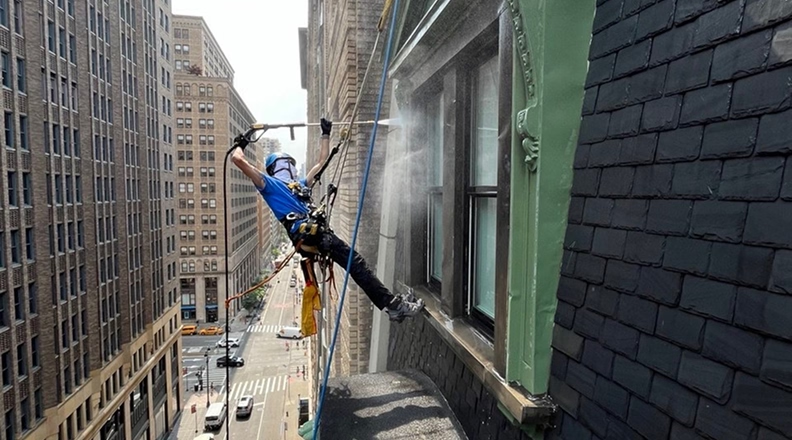
As exterior cleaning methods become more specialized, the condition of the material itself starts shaping every decision that follows. This matters especially In NYC, because homes often combine historic masonry, painted architectural details, decorative trim, siding, and modern exterior additions within the same property. What works safely on one section of the house may create visible damage on another.
- Brick and brownstone require careful pressure control
Brick surfaces and brownstones are common throughout New York City, especially in older residential neighborhoods where exterior materials have been exposed to decades of weather, moisture, and pollution. These surfaces naturally absorb water, which means aggressive washing methods can sometimes force moisture deeper into the material instead of safely cleaning it away. Cleaning these surfaces safely usually depends on controlled techniques, proper surface evaluation, and understanding how historic materials respond to moisture and pressure.
- Vinyl siding responds better to balanced cleaning methods
Vinyl siding is durable, but it still requires a controlled approach. Dirt, algae, environmental residue tend to settle into seams and lower sections where moisture remains longer. Strong pressure aimed too closely at the surface can loosen panels or force water behind the siding, which may create moisture problems underneath. Proper cleaning focuses on removing buildup while keeping water movement controlled across the surface itself.
- Painted exteriors need surface protection during cleaning
Painted surfaces react differently depending on the age and condition of the finish. Older paint may already contain small cracks or weakened areas that become more vulnerable under excessive water pressure. Careful cleaning helps preserve the appearance of the paint while removing dirt and discoloration that settle onto the exterior. This is particularly important on decorative trim, porch details, window framing, and architectural features that help define the visual character of the home.
- Stucco and delicate surfaces depend on lower impact cleaning
Stucco, decorative exterior finishes, and textured surfaces can become damaged if pressure levels are too aggressive. Cracks, surface erosion, and moisture intrusion become much more likely when delicate materials are treated like harder masonry or concrete. These surfaces usually benefit from lower pressure methods that focus on loosening buildup gradually while helping preserve the texture and structure underneath. Organic staining, mildew, and environmental residue can still be removed effectively, but the process has to stay aligned with the condition of the material itself.
Exterior cleaning rarely follows one universal formula across NYC properties. Different materials age differently, react differently to weather, and require different levels of pressure and moisture control. Understanding those differences is what allows exterior cleaning to improve the appearance of the property without placing the surfaces themselves under unnecessary stress.
Why exterior cleaning looks easier than it really is
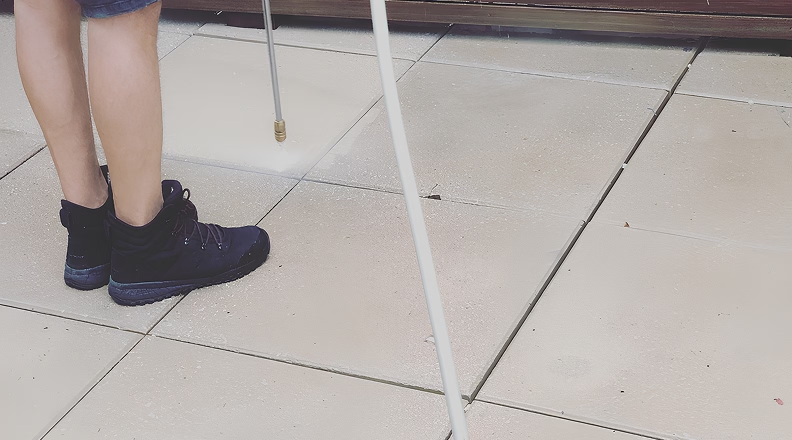
After seeing buildup spread across siding, stone, walkways, or exterior walls, many homeowners naturally start considering whether the cleaning can be handled on their own. In some situations light maintenance and basic rinsing may help temporarily improve the appearance of the surface. At the same time, exterior cleaning becomes much more complicated when pressure, moisture, surface condition, and material type all begin interacting with each other.
What homeowners often try
Homeowners usually begin with the most accessible approach available to them. Garden hoses, rental pressure washers, household cleaning products, and store bought surface treatments are often the first tools people reach for when the exterior starts looking worn or stained. Pressure washers are especially popular, because they promise fast visual results. On harder outdoor surfaces like concrete walkways or patios, they can sometimes remove visible dirt quickly enough to make the process feel straightforward. The challenge is that exterior surfaces rarely respond the same way across the entire property. People also frequently focus only on the areas where buildup is easiest to see, such as darker siding sections, stains beneath gutters, green patches near foundation lines, or dirt along entryways. While this can improve appearance temporarily, it does not always address the underlying moisture or environmental conditions that caused the buildup in the first place.
Common mistakes during exterior cleaning
One of the most common mistakes is using too much pressure on materials that were never designed to handle direct force at close range. Siding panels can loosen, paint can begin lifting from the surface, and older masonry may start wearing unevenly when the equipment is used aggressively. Water direction also matters more than many homeowners expect. If water is pushed upward beneath siding or forced into small openings around trim and exterior joints, moisture can become trapped inside areas that are difficult to dry properly afterward. Cleaning solutions can create problems as well when they are applied without understanding how different materials react. Some products may discolor painted surfaces, affect nearby landscaping, leave uneven marks on stone and masonry. Brownstones and older NYC facades are particularly sensitive, as weathered surfaces often respond differently from newer construction materials. Another issue appears when people try to remove stains repeatedly from the same area using stronger pressure each time. Instead of lifting the buildup safely, repeated force can gradually weaken the surface underneath and leave visible wear patterns across the exterior.
What a professional exterior cleaning process actually looks like
When house washing is done properly, the work starts long before any water reaches the surface. A good service follows a sequence that helps protect the property, match the method to the material, and leave the exterior cleaner without creating new problems in the process.
Surface evaluation comes first
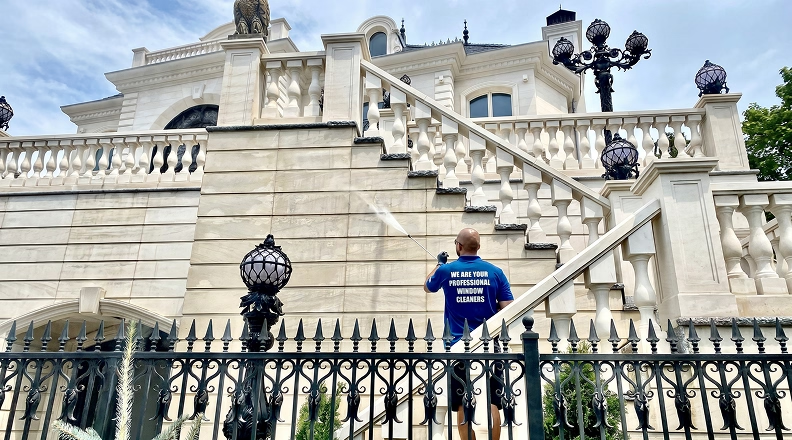
Every property needs to be read on its own terms, because exterior materials age differently and react differently to moisture, pressure, and cleaning solutions. A careful evaluation looks at the siding type, the condition of painted areas, the amount of buildup, and any spots where the surface may already be weakened or sensitive. This step is essential, as a brownstone wall, a vinyl siding panel, and a painted trim section may all sit on the same house, but each one can require a different approach. In NYC, where older facades often show a mix of materials and weather exposure, that kind of assessment is what helps prevent unnecessary wear.
The method is chosen around the surface
Once the property has been evaluated, the cleaning method is matched to the material rather than applied as a fixed routine. Harder surfaces may allow for stronger pressure, while more delicate areas call for a softer approach with lower impact and more controlled rinsing. That choice is especially important for homes that combine brick, stone, siding, and decorative exterior details. The goal is to remove buildup in a way that respects the structure underneath, since aggressive cleaning can leave the surface looking worse instead of better if the wrong method is used in the wrong place.
Equipment needs to fit the job
Professional equipment makes a difference, because it gives the crew more control over pressure, flow, reach, and application. That control becomes important on larger homes, taller facades, and properties where access points are limited or where the surrounding area needs to stay protected during the work. Top Team window cleaning approaches exterior cleaning with that flexibility in mind, using equipment that matches the property and the task instead of relying on a single setup for every home. That kind of adjustment is especially useful in NYC, where one block can include brownstones, attached homes, renovated facades, and more delicate exterior finishes all within the same area.
Safety stays built into the process
Exterior cleaning can involve ladders, long reaches, slippery surfaces, water control, and work around landscaping or entry areas, so safety is part of the process from the start. The professional team plans the job with the characteristics of the site, which helps reduce the probability of damage to the property and allows to work in a controlled mode. This is where experience matters most: the crew that understands how NYC properties are built and how they weather over time is better prepared to work efficiently without creating avoidable issues around windows, siding, walkways, or nearby details.
Cleanup closes the job properly
A finished exterior cleaning should leave the property looking cared for. That means the work area needs to be left tidy, excess water managed properly, and any loosened residue removed so it does not settle back onto the surface after the crew leaves. Cleanup also helps preserve the results of the work itself. When the surrounding area is handled carefully, the exterior stays cleaner longer and the property feels more fully restored rather than simply sprayed down. Top Team’s approach to house washing follows that same logic throughout the process. The work is shaped by the material, the condition of the home, and the realities of working on NYC properties, which is what allows the service to stay practical and suited to the building.
So if you are considering exterior cleaning for your NYC property, Top Team can help evaluate the surfaces and provide a clear estimate for the work involved.