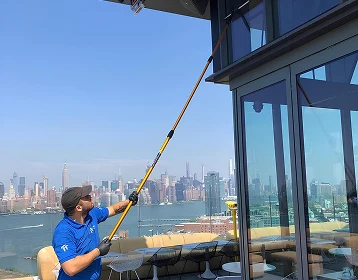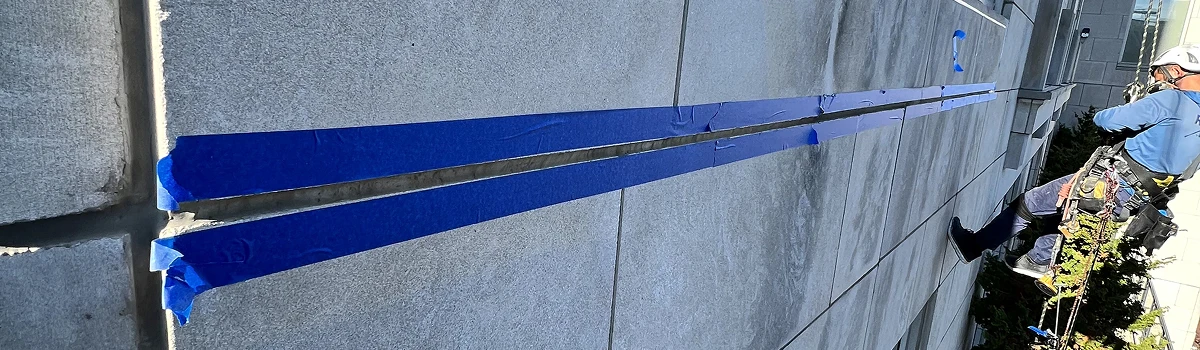
In New York City the skyline is a defining feature, but it also comes with responsibility. Every facade tells a story of age, weather, and daily use, and regular inspections are the only way to make sure that story does not include hidden risks. The city authorities require property owners to keep facades in safe condition and outline strict rules to prevent accidents caused by loose masonry, damaged glass, or weakened support structures. These requirements highlight what many owners already understand: a building that looks strong from the street may still have issues that only a close inspection can reveal.
The choice of method depends on what kind of detail is needed. Ground-level visual inspections remain the starting point for many properties, as they allow maintenance staff to notice cracks, leaks, or discoloration on the most visible areas. Rope access and aerial lifts are used when conditions call for human expertise at height, since some problems are too subtle for cameras to capture and require hands-on evaluation. Each of these approaches has its place, and property managers who understand the strengths and limits of each method can plan maintenance with greater accuracy and confidence.
In a city where pedestrian safety and building reputation carry equal weight, inspections are a way to preserve value. Clean glass, intact facades, and secure fixtures reduce liability while also presenting a cared-for image to tenants, shoppers, and visitors. By looking at buildings from different perspectives, through the eye of a trained inspector on the street or the experience of a professional suspended high above, owners gain a full picture of what it takes to keep a property secure and presentable in the demanding environment of New York.
Looking up from the street
Ground-level inspections remain one of the most common ways to assess the condition of a building. Property managers and maintenance teams often walk around a site to identify cracks, leaks, or discoloration on windows, facades, and decorative elements. This type of inspection is straightforward and does not require specialized equipment, which makes it accessible for routine property care. It is particularly useful for storefronts, lower floors, and building entrances where issues are visible to both tenants and passersby.
The strength of this method lies in its simplicity. By observing the property directly, teams can quickly flag problems that need attention and decide whether a more detailed follow-up is required. A visual walk-through can reveal stains from water infiltration, early signs of paint damage, or issues with caulking and seals around windows. For businesses that rely on an inviting appearance, these quick checks help maintain a polished look while reducing the chance of small defects turning into larger repairs.
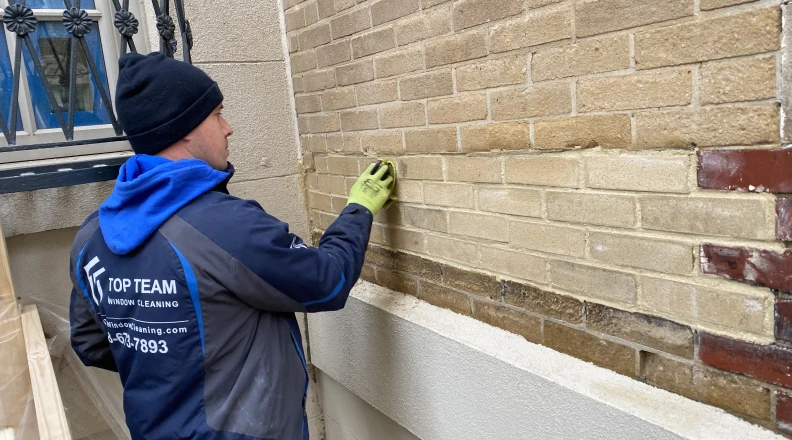
However, the limits of ground inspections are clear. Observers cannot see what is happening on higher levels or behind architectural features that block the line of sight. Small cracks in masonry or glass may remain hidden until they worsen, and structural issues several stories above street level can go unnoticed. This is why ground checks are often the first step rather than the final word in facade maintenance. The U.S. Small Business Administration notes that routine property maintenance builds long-term resilience, but it must be combined with other strategies to be truly effective.
Touching the building to understand it
Rope access and aerial lift inspections remain one of the most trusted methods for examining faсades in depth. These techniques bring inspectors directly to the surface of a building, which makes them indispensable when the goal is not only to observe, but also to interact with the structure. Cracks that might go unnoticed from a distance, corrosion that slowly eats away at metal frames, and weakened seals around glass units all require this level of close-up assessment. In a city like New York, where faсades carry the dual responsibility of safety and visual appeal, such direct inspection continues to play a vital role.
While ground-level checks can provide valuable perspectives, there are many situations where rope access and aerial lifts remain irreplaceable. Their value lies in the ability to confirm conditions through touch, to measure exact dimensions of damage, and to perform small interventions during the inspection itself. This immediacy sets them apart from remote technologies, which are limited to observation. Property managers often choose this method when accuracy and reliability are critical, since the consequences of overlooking structural defects can be both costly and dangerous.
The main aspects of rope access and aerial lift techniques can be outlined as follows:
- Where it is most effective. Rope access and aerial lifts are particularly suitable for identifying structural cracks in concrete or stone, checking the integrity of sealant around large glass units, and detecting early signs of rust or corrosion on frames and joints. They are also beneficial when the inspection needs to include light maintenance such as resealing or localized cleaning, since the technician is already positioned at the problem area.
- Key strengths. The greatest advantage is the level of precision and immediacy. Inspectors can assess the condition of materials firsthand, take detailed measurements, and even make small corrective actions without waiting for a second visit. Another strength is compliance with legal and safety requirements, as certain regulations require hands-on confirmation of faсade conditions that cannot be substituted by photographic evidence alone.
- Limitations to consider. Rope access and aerial lifts often require significant preparation and longer timelines. They are typically more expensive than ground-level checks, because they demand specialized training, professional crews, and certified safety equipment. These methods also involve physical risk for workers, which is why strict adherence to OSHA fall protection standards is not only recommended, but mandatory.
- Integration with other services. These inspections are frequently paired with broader maintenance plans, such as faсade washing, sealing, or minor repairs. For example, property managers often combine rope access inspections with scheduled faсade cleaning, which makes the process more cost-efficient and reduces disruption for tenants.
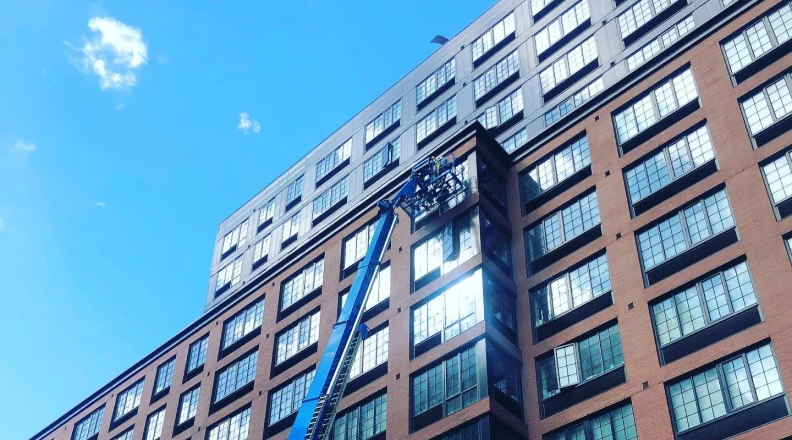
In practice, rope access and aerial lift inspections continue to be the cornerstone of thorough faсade management. They provide a clarity and level of certainty that remote tools cannot always achieve. For building owners in New York they are often a necessity when regulations or safety standards require physical access.
Finding balance between height, time, and budget
Every property presents its own challenges, which means there is no single inspection method that works in all cases. The choice depends on the height of the building, the total area of the facade, the available budget, and the deadlines for completing the work. Some owners prioritize speed, while others look for detailed diagnostics or the ability to combine inspection with immediate repair. A clear comparison of methods helps to set the right expectations and avoid costly mistakes later.
When evaluating options, four main factors should be considered:
- Height of the building. Rope access allows inspectors to reach great heights with accuracy, although it requires specialized training and time. Ground-level checks remain effective for low-rise buildings, but quickly lose value as the structure gets taller.
- Total facade area. Rope access is more suitable for targeted zones or sections that require close attention. Ground-level inspections are efficient for smaller buildings or localized areas.
- Budget. Rope access and aerial lifts are more costly, because they involve trained staff, equipment, and safety protocols. Ground-level checks remain the least expensive, although their results are limited in scope.
- Deadlines. Rope access requires more preparation, but it can provide both inspection and minor fixes in one visit. Ground inspections can be organized quickly, but their usefulness diminishes on larger properties.
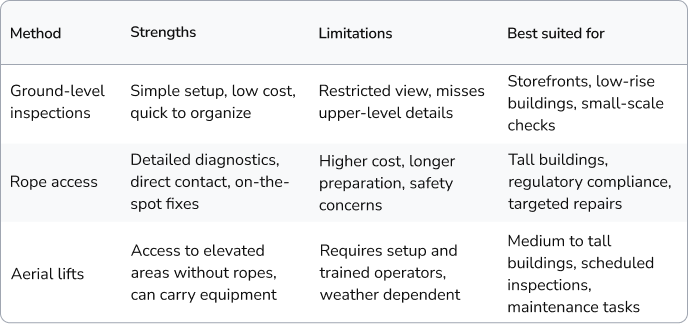
There is also a legal dimension for New York properties. According to NYC Local Law 11, owners of buildings taller than six stories must schedule periodic facade inspections by licensed professionals. These inspections often require rope access or lifts to meet regulatory standards, which makes the choice of method a matter of compliance.
Safety and image in one clear view
Facade inspections are an investment in safety and reputation. Clean and well-maintained exteriors signal that a property is cared for, which matters to tenants, clients, and the wider public. In a city where facades face constant exposure to weather, pollution, and strict regulations, consistency in inspections helps prevent costly damage and strengthens long-term trust.
Choosing between ground checks, rope access, and aerial lifts depends on the specific building, but the goal remains the same: protecting people and keeping structures resilient. Each method contributes its own value, and when applied thoughtfully, they complement one another.
Reach out to Top Team window cleaning to book a consultation or set up a recurring inspection plan that keeps facades safe, well maintained, and ready for whatever New York sends next.